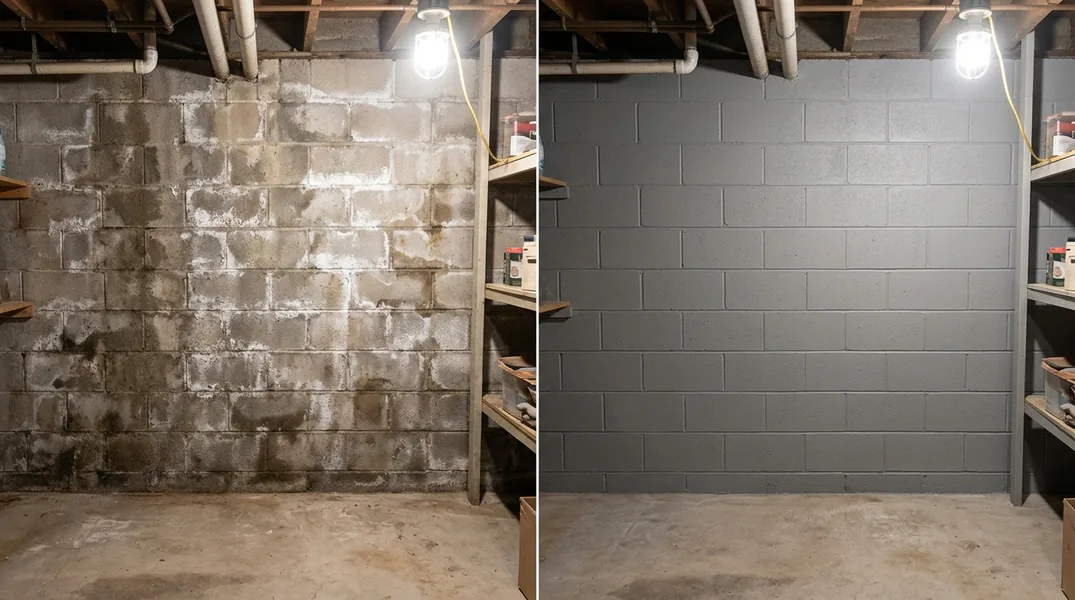
Why Bloomington Basements Face Spring Water Threats
Spring in Bloomington brings a familiar pattern: warmer days, melting snow, and frequent rain showers. While the thaw is welcome after a long winter, it puts enormous pressure on the ground around your home. The soil becomes saturated, and water that would normally drain away has nowhere to go. For homeowners, this often means one thing: a wet basement.
The problem isn't just heavy rain. Snowmelt from the winter accumulation slowly releases water into the soil over days or weeks, keeping the ground consistently wet. In McLean County, the flat to gently rolling terrain can cause water to pool rather than run off. When that water finds its way into the foundation, you may see seepage, damp walls, or even standing water. Understanding these seasonal risks is the first step toward preventing costly damage.
The Role of Snowmelt and Rising Water Tables
Snowmelt is a silent contributor to basement flooding. As temperatures rise, the snowpack melts gradually, and the water percolates through the soil. If the ground is still partially frozen, the water can't soak in and instead flows along the surface or against your foundation. This is especially common in early spring when the topsoil thaws but deeper layers remain icy. The result is a surge of water that tests the integrity of your basement walls and floor.
Another factor is the rising water table. In Normal and surrounding areas, the water table can rise significantly after snowmelt and spring rains. When the water table reaches the level of your basement, hydrostatic pressure builds up, forcing water through even the tiniest cracks. This type of Basement Waterproofing challenge requires a solution that addresses both surface water and subsurface pressure. Ignoring it can lead to recurrent flooding year after year.
Common Signs of Basement Water Intrusion
Not all basement flooding is obvious. Sometimes the signs are subtle and develop over time. Homeowners in Heyworth and Towanda should watch for musty odors, efflorescence (white powdery deposits on walls), and peeling paint or wallpaper. These indicate moisture migration through the concrete or masonry. You might also notice damp spots on the floor or walls after a heavy rain, or hear the sound of water running inside the walls.
More visible signs include water stains on the ceiling or walls, rust on metal fixtures, and mold growth. If you see any of these, it's time to take action. A professional inspection can identify the source and recommend the right fix, whether it's an Interior Drain Tile System to manage water before it enters, or Exterior Basement Waterproofing to seal the foundation from the outside. Addressing these signs early can save you from major repairs later.
Basement Flood Prevention: What You Can Do
There are several steps you can take to reduce the risk of spring flooding. Start by ensuring your gutters and downspouts are clean and directing water at least six feet away from the foundation. Check the grading around your home; the soil should slope away from the foundation to prevent pooling. If you have window wells, keep them clear of debris and consider covers to keep rain and snowmelt out. These simple measures can make a big difference in keeping your basement dry.
However, if your basement has a history of leaks or you've noticed recurring moisture, DIY fixes may not be enough. A comprehensive Foundation Waterproofing plan might include sealing cracks, installing a sump pump, or applying waterproof coatings. For persistent issues, a professional assessment is the best way to ensure your home is protected. Bloomington Waterproofing offers free estimate inspections to help you understand your options and costs.
When to Call a Basement Waterproofing Professional Near Me
If you've experienced basement flooding or noticed signs of water intrusion, it's wise to consult a professional. DIY solutions like sealants and dehumidifiers can provide temporary relief, but they don't address the root cause. A professional waterproofing contractor can evaluate your home's specific situation, including soil conditions, water table levels, and foundation type, and recommend a tailored solution. This might include interior drainage systems, exterior waterproofing, or foundation repair.
Timing is critical. Spring is the peak season for basement flooding, and scheduling an inspection early can help you avoid emergency repairs. If you're unsure whether you need help, consider this: if water has entered your basement even once, it will likely happen again. Don't wait for the next storm. Call Bloomington Waterproofing at (309) 807-1768 to schedule a consultation. We serve Bloomington and the surrounding communities, and we're ready to help you protect your home from seasonal water damage.
Looking for a professional basement waterproofing contractor in Bloomington? Bloomington Waterproofing responds fast for all your basement waterproofing needs.
Get a Free QuoteOur services: Basement Waterproofing · Interior Drain Tile System · Exterior Basement Waterproofing